
Get your business bushfire ready for the 2026–27 season

Key takeaways
● Bushfire risk isn’t limited to rural properties or to one state. Understanding your local exposure and monitoring Fire Danger Ratings is the first step in staying bushfire ready, wherever you operate across eastern Australia and South Australia.
● Creating and maintaining a clear asset protection zone around buildings slows fire movement and gives your people and emergency services more time to respond.
● Most property losses come from ember attack rather than direct flame, so sealing gaps, clearing roofs and managing surrounding vegetation are practical actions that reduce your risk.
● Preparation should extend beyond physical works to an adequate water supply, a tested emergency plan and insurance cover that reflects current rebuild and business interruption costs.
Don’t wait to prepare for bushfire season
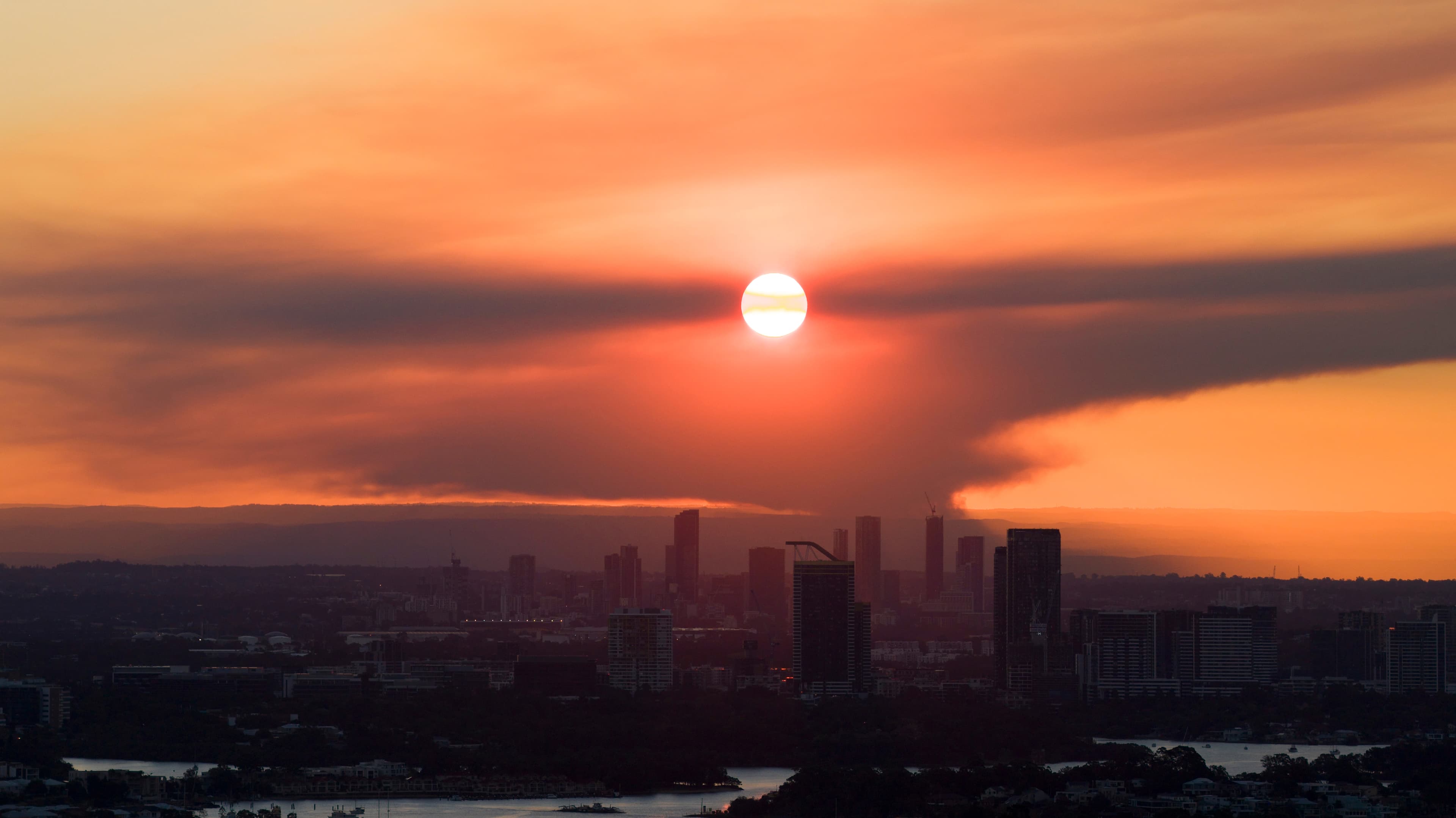
Across eastern Australia and South Australia, fire weather builds through spring and peaks over summer. The Bureau of Meteorology puts the peak fire danger for southern New South Wales, Victoria, Tasmania and most of South Australia between December and February, with northern New South Wales and southern Queensland warming up earlier, from around mid-spring. In other words, the time to prepare is now — before conditions intensify.
Each season AFAC publishes its Seasonal Bushfire Outlook and the spring–summer outlook for 2026–27 will map where risk is elevated across the country. It’s worth checking the moment it lands, because the picture shifts year to year with rainfall, fuel loads and soil moisture. The pattern we keep seeing, though, doesn’t wait for an outlook: a dry spell and strong winds can turn a distant headline into a local emergency in a matter of hours.
Reflecting on recent seasons, the same issues keep emerging. Places people assumed were in the safe zone were hit by damaging embers. Water setups that looked adequate on paper failed when they were needed. Rebuild bills and rising premiums caught business owners off guard right across the country. Getting ready is really about taking what past fires have taught us and acting on it before the unexpected happens.
Understand your local bushfire risk
One theme we see again and again at Regional is that many of the properties affected are not what their owners would call “in the bush”. You only need to be close enough to bushland, paddocks, grassland, coastal scrub or unmanaged vegetation to be exposed to embers, radiant heat and smoke. If your area has a history of fire activity, or you have trees and shrubs within 20 metres of your buildings, your risk may be higher than you think. That holds whether you’re on the Darling Downs, the New South Wales tablelands, in Gippsland, the Adelaide Hills or Tasmania’s Midlands.
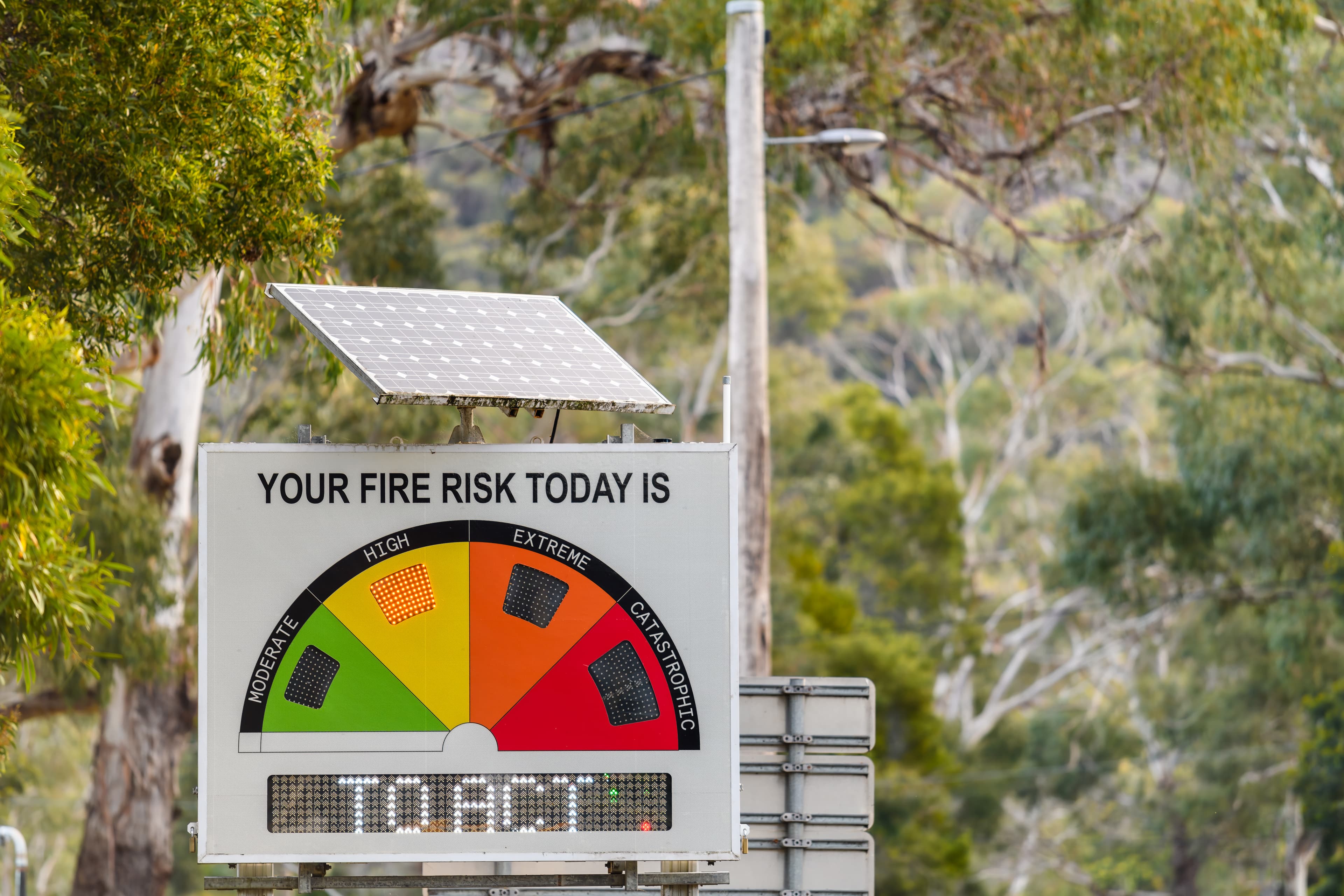
Check the Fire Danger Rating for your area regularly through the warmer months. Each state has its own fire authority and online risk tools — the NSW Rural Fire Service, CFA in Victoria, the Tasmania Fire Service, the SA Country Fire Service and the Queensland Fire Department — and most publish bushfire-prone area maps, seasonal outlooks and survival plans for their region. The Queensland Fire Department, for example, has a postcode checker that shows how readily fire could take hold and spread, based on vegetation, terrain and local conditions.
From there, walk your site and identify the vulnerable zones: bushland or grassland boundaries, accumulated fuel loads and access constraints that may not be obvious until the day they matter.
Create and maintain a defensible space
For commercial and agricultural properties, defensible space — often called your asset protection zone — is about deliberate separation between buildings and surrounding fuel, so that if fire approaches it slows rather than accelerates. We’ve seen workshops, machinery sheds and packing facilities come through largely unscathed because there was clear separation between structures and vegetation, while similar buildings nearby were lost where leaves, branches and debris had built up around walls and fence lines over time.
On larger holdings, the priority is protecting high-value infrastructure. Machinery sheds, hay and fodder storage, fuel tanks and main production areas should have deliberate low-fuel zones around them. A practical starting point is keeping at least 10 metres of reduced fuel around key structures, adjusted for terrain and prevailing wind. In farming operations that often means grading perimeter strips, managing fence-line growth and not stacking combustible materials such as pallets, feed or timber against external walls.
Access matters just as much. Fire crews need room to enter, manoeuvre and leave without obstruction, particularly where buildings are spread across a site. Serious delays happen simply because turning areas were too tight for heavy appliances, or overhanging branches hadn’t been cleared.
From an insurance perspective, documented fuel-management plans and clear access arrangements can support underwriting discussions, particularly for properties in designated bushfire-prone areas where exposure is reviewed closely at renewal.
Protect your property against ember attack
CSIRO research shows that at least 85% of buildings destroyed in bushfires never come into direct contact with the main fire front. Instead, embers — often carried kilometres ahead of the blaze — land on vulnerable spots and start small fires that grow out of control. In grassland and grazing country, where long dry grass and scrub are part of the landscape, the risk of embers finding fuel is especially high.
You don’t need direct flame for your property to be affected. Embers can settle in roof cavities, along gutters or beneath loading docks and ignite hours after the fire front has passed. Fitting non-combustible mesh over vents and sealing small gaps reduces the places embers can get in, but these need to be checked regularly to make sure they stay clear.
For multi-building sites, a scheduled pre-season roof and gutter inspection gives you far more control than reactive cleaning. It’s one of the most practical ways to reduce ember-related ignition before conditions intensify.
Design landscaping to slow fire movement
Landscaping should respond to how fire behaves in your local conditions. In many parts of eastern Australia and South Australia, vegetation surges through wetter months, then cures quickly as things warm and dry. If that growth isn’t managed before the season, what looked lush can become a continuous fuel source by late spring.
If you’re planning works, think beyond appearance and consider how plantings interact with buildings. Spacing trees so their canopies don’t interlock reduces the chance of fire spreading horizontally across a site, particularly around offices, sheds or staff amenities. Lower-flammability species that hold more moisture in their foliage are generally slower to ignite than dense hedging or ornamental grasses — your state fire authority publishes plant guides suited to your region and fire-danger level.
We worked with a mixed grazing operation that applied the same thinking at scale, reducing scrub along internal boundaries and widening gravelled tracks between operational areas to limit how fire could move across the property. When renewal came around, those changes were documented and included in the broader risk conversation. Showing that exposure had been addressed across the whole property — not just around the main buildings — helped present a stronger risk profile than in previous years.
Secure a reliable water supply and on-site firefighting resources
Reliable water on hand is essential when defending a property. In regional areas, where several properties may draw from the same network at once, pressure can drop sharply during peak demand — and that’s when owners are left relying entirely on their own tanks, pumps and backup systems. A good starting point is dedicating a tank of at least 5,000 litres purely for firefighting, kept separate from stock or irrigation so you don’t run short.
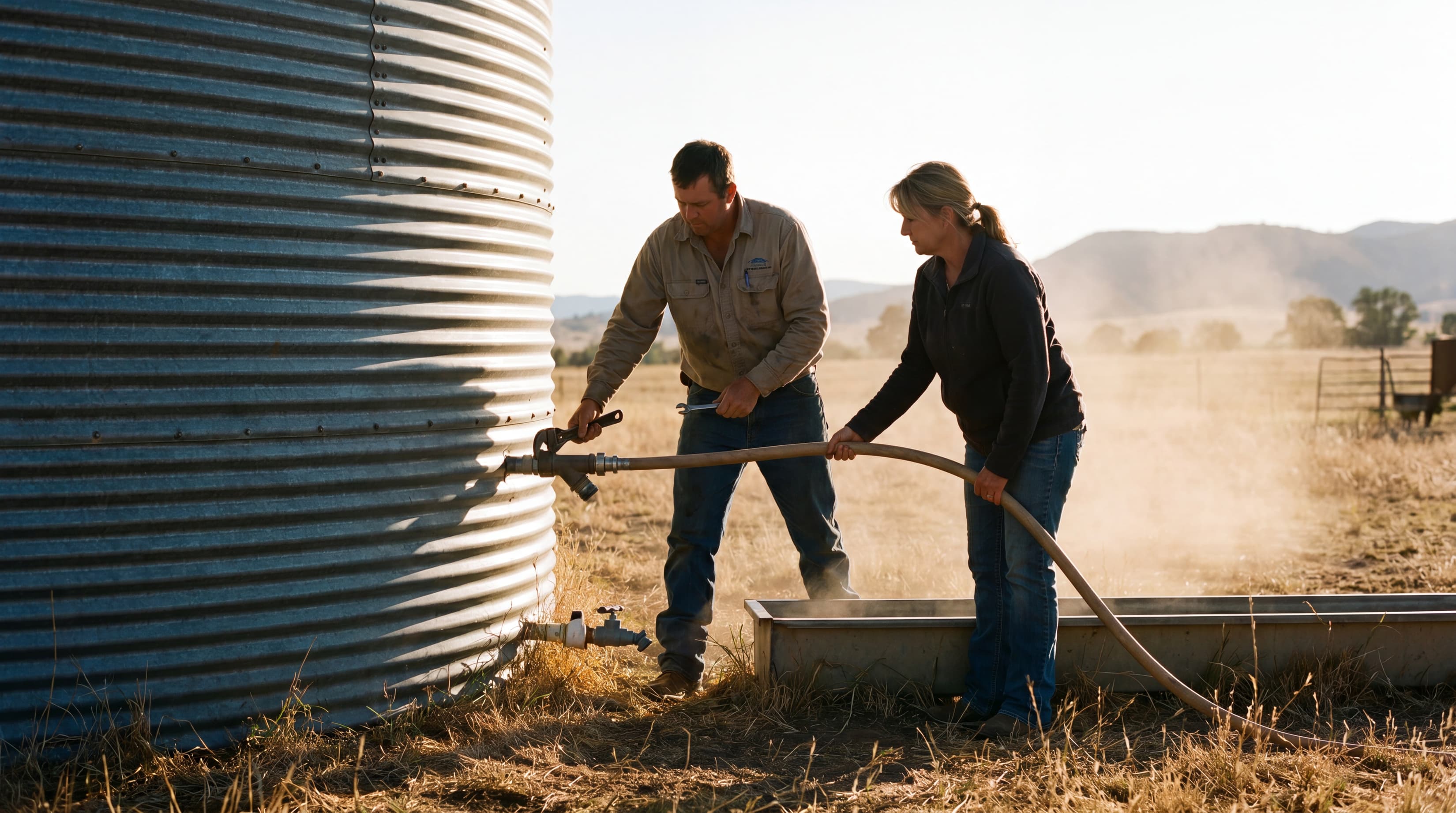
Invest in backup pumps, durable hoses with fire-rated fittings and external sprinklers that can wet down roofs and walls ahead of embers. Power outages are common in fire events, so standby generators or solar-powered pumps help keep things running. Test flow rates and pressure monthly to catch problems early, such as clogged lines or weak batteries.
For some businesses, equipment breakdown cover is worth considering, especially where pumps, generators or sprinkler systems form part of your bushfire response. Covering repair or replacement costs can reduce disruption and help stabilise operations after an event.
Develop an emergency plan and communication strategy
A clear plan turns a chaotic day into coordinated action and reduces the indecision that leads to rushed evacuations or overlooked hazards. Build yours around clear “stay or go” triggers based on your site layout and operations — a fire reaching a set perimeter, say, or smoke closing key access roads.
Map out assembly points, safe evacuation routes, emergency-kit locations and a contact list including neighbours, local emergency services and your state fire authority. Run a drill each year to test it, and look for gaps such as poor mobile coverage across a large property or blocked exits.
Use digital tools too — your state fire service’s alerts and warnings, and a group messaging channel for real-time updates. Share the plan with staff, contractors and neighbours so everyone knows their part. In close-knit rural areas, that cooperation has saved properties more than once.
Review your insurance cover
Bushfire exposure should trigger an insurance review before the season escalates, not after a loss. Underinsurance leads to serious shortfalls at claim time, especially when rebuild costs climb with labour shortages and material prices in fire-affected regions.
Start by checking that your sum insured reflects the full cost to rebuild, including site clearance, debris removal and any foundation work needed after damage. Then look at how your policy responds to common bushfire scenarios: ember damage, fallen trees hitting structures, storage for salvaged goods and business interruption.
For industries more often located in higher fire-danger areas, such as agriculture and farming, it’s especially important to confirm your policy responds to the full scope of your exposure. Beyond buildings, that can include fencing, outbuildings, irrigation systems, machinery, stored feed and seasonal stock.
Start the season bushfire ready with Regional
If you’d like a clearer view of how your business would hold up in a bushfire scenario, talk to a Regional broker. We work with operators across eastern Australia and South Australia, and we can review your current arrangements, look at how your cover lines up with your exposure and help you understand where adjustments may be worth considering before the season intensifies.
Bushfire ready starts with a conversation
Before the season peaks, let’s review how your cover lines up with your bushfire exposure — and where a few changes could make all the difference. You’ll deal with a real Regional broker who knows your area and industry.