
Christmas shutdown checklist: how to prevent business claims over the break
Key takeaways
- The Christmas to New Year shutdown is one of the highest-risk periods of the year for businesses that close or run on a skeleton crew.
- Theft (including copper), fire, power outages, weather and water damage are the biggest property risks while premises sit empty, and most can be reduced with a simple pre-close routine.
- Cyber risk doesn’t take a holiday either. Reduced staffing makes scams and fake payment requests easier to miss.
- A few hours of preparation before you lock up costs far less than a claim and the downtime, lost income and effort that follow.
- A quick check with your broker before you close, and a walk-through on your first day back, can pick up problems while they’re still easy to fix.
By late December, the team is winding down, the final jobs are being wrapped up and the premises may soon be sitting empty for one, two or even three weeks while everyone takes a well-earned break over the holiday season.
In our experience, the biggest risks for regional businesses over the Christmas shutdown are storms and theft (particularly tools, equipment and machinery), with fire less common but often the most destructive. Insurer data points the same way: when QBE analysed business claims over a Christmas and New Year period, storm and theft or burglary topped the list, followed by accidental damage, power surges and water damage.
The good news is that a thorough close-down can take care of many of these risks before the doors are locked. This guide works through the premises the way you would on your final walk-around, so you can switch off for the year knowing your premises have been properly prepared for the break.
Download the holiday shutdown checklist
Every step in this guide on a printable two-page checklist, with space to record your closing dates and emergency contacts. Print it, tick it off and pin it up before you lock up.
Secure the premises properly (not just “lock up”)
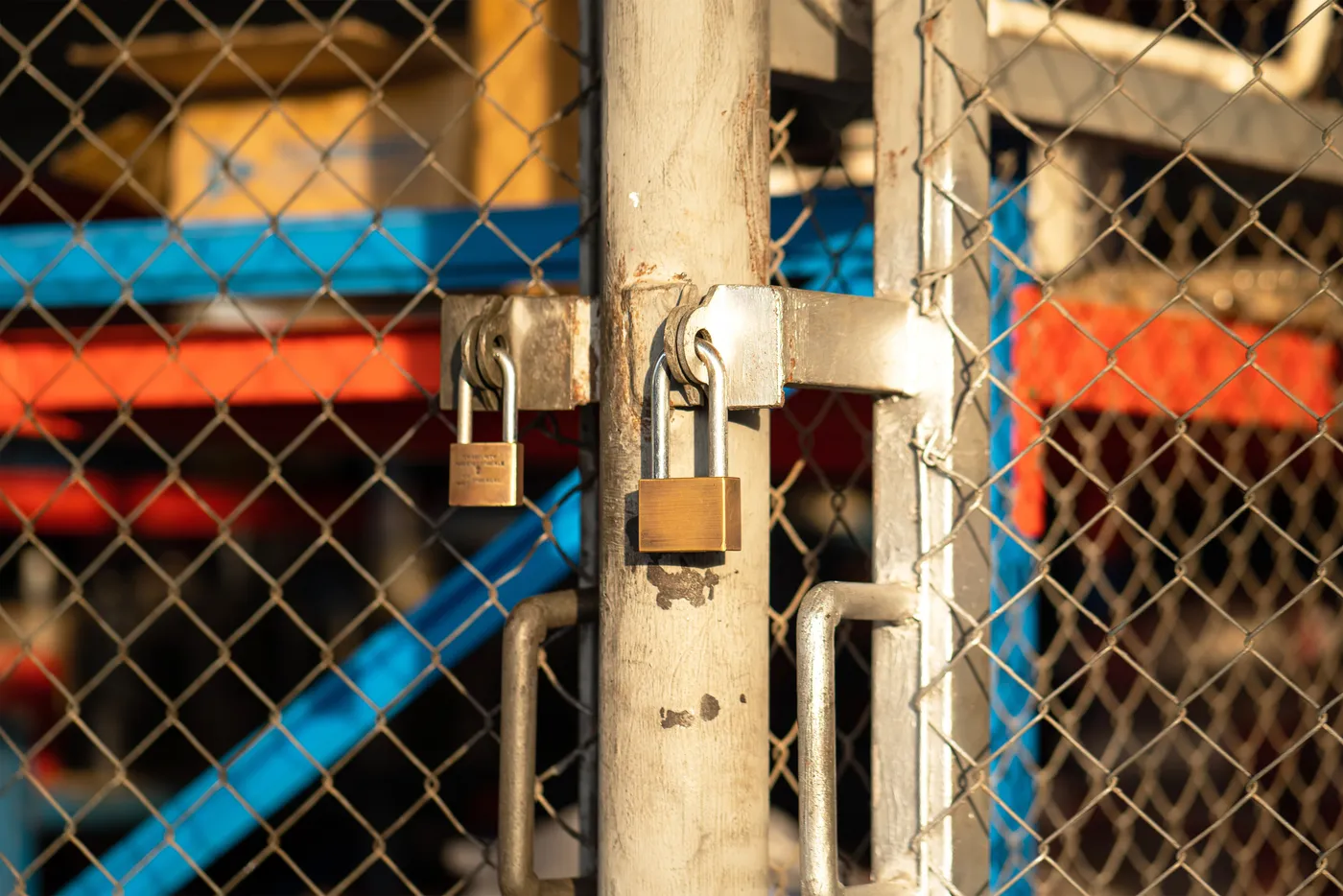
Locking the front door is only the starting point. Theft rises when premises sit empty, and the small things that signal nobody is around (a dark rear entrance, an old access code that still works or a camera that went offline without anyone noticing) can make premises more vulnerable than they look during normal trading.
Before you close:
- Test alarm systems and confirm they’re monitored over the break
- Account for every key, remote and access card, and change codes for anyone who has left during the year
- Check doors, windows, roller doors and skylights are locked, and that locks and latches still work properly
- Remove cash and put up signs saying no cash is kept on site
- Secure high-value stock, tools and portable equipment, and move them out of sight of windows
- Check external lighting and CCTV are working, and that cameras can be viewed remotely
- Lock gates and secure fences, yards and storage containers
Make the site look occupied:
- Put internal and external lights on timers or motion sensors
- Arrange for a trusted staff member, neighbour or security company to check the site regularly
- Pause mail and deliveries, or arrange for someone to collect them
- Empty and store wheelie bins so they can’t be used to climb fences or start fires
Don’t forget the copper:
Copper piping, electrical wiring and the copper inside air-conditioning units are regular targets for thieves, and the damage done stripping it out can cost far more than the metal itself. It’s become a big enough problem that Queensland has introduced new laws to crack down on copper theft.
- Lock switchboards and meter boxes
- Consider cages or enclosures around external air-conditioning units
- Keep copper offcuts, cable and pipe stock locked away and out of sight
- Make sure CCTV covers plant rooms, rooftop units and storage areas
If you spot suspicious activity, report it to police on 131 444 or anonymously to Crime Stoppers on 1800 333 000. It’s also a good moment to check your commercial property cover still reflects the buildings, stock and contents you’re leaving behind.
Power outages while nobody’s there
Summer storms bring short power outages, and when nobody’s on site even a brief one can cause problems. Fridges, freezers and coolrooms warm up, alarms and cameras may drop back to battery or go offline, and when the power comes back the surge can damage computers, phone systems and equipment.
Before you close:
- Check alarm and CCTV battery backups are working, and that your monitored alarm will alert someone if the power fails
- Fit temperature alarms that send a phone alert for fridges, freezers and coolrooms
- Run down perishable stock where you can, rather than leaving coolrooms full
- Plug sensitive equipment into surge protectors, or unplug it entirely
- Write down how to reset alarms, gates, pumps and anything else that won’t restart by itself
- Sign up for outage alerts from your electricity distributor
- Decide who will check the site after an outage, and whether a backup generator is needed for critical equipment
If you hold refrigerated stock, ask your broker whether your policy includes cover for spoilage after a power failure and for damage caused by power surges. These can be optional extras, so it’s worth checking before you close.
Weather and water damage
The numbers show just how quickly severe weather can turn into a major insurance event. The Insurance Council of Australia recorded $4.8 billion in insured losses from extreme weather in 2025 across 294,000 claims, with more than $4.1 billion of that in Queensland alone.
Before you close:
- Clear gutters, downpipes and drains of leaves and debris
- Check roofing, flashings and skylights for existing damage
- Trim branches overhanging buildings, power lines and parked vehicles
- Secure or store loose outdoor items, signage, shade sails and equipment
- Lift stock, files and equipment off the floor in areas prone to water
- Turn off the water supply where it’s safe to do so, and check for leaking taps, hoses and fittings
- Check sump pumps and stormwater pits are clear and working
- Know your flood exposure and agree who responds if a warning is issued while you’re closed
Water damage doesn’t need a storm, either. One Regional client returned after a two-week shutdown to find a burst pipe had flooded part of their premises. It was a relatively small fault that became a much larger claim simply because nobody was there to catch it early.
Storm and flood claims are some of the most common we manage over January, and businesses that prepared before the warnings started fare best.
Machinery, plant and equipment shutdown procedures
If your business runs machinery or heavy plant, switching it off isn’t the same as shutting it down properly. Idle plant also carries its own theft and weather exposure, particularly on remote or unfenced sites.
Before you close:
- Isolate power at the source and follow the manufacturer’s shutdown procedures
- Remove keys, fit immobilisers and disconnect batteries where practical
- Park plant inside a locked compound, and block smaller machines in with larger ones
- Lock fuel tanks and bowsers
- Protect equipment from dust, damp and power surges while it sits idle
- Photograph equipment and record serial numbers, so a claim is far simpler if something goes missing
- Consider GPS trackers for high-value or easily moved plant
- Book servicing over the break, rather than waiting until something fails mid-job in the new year
“Thieves know when businesses close for summer, and they don't miss an opportunity. Theft is one of the most common claims we see over the break, especially on industrial estates.”Peter Lane, Head of Claims
Liability risks don’t stop when you do
Even when your business is closed, the premises can still pose a risk to other people. Delivery drivers, contractors, neighbouring businesses and members of the public may still come onto or pass through the site, and an unsecured area, uneven surface or other hazard can lead to a public liability claim even when none of your staff is there.
Before you close:
- Put up clear signage where hazards exist
- Remove or make safe any obvious hazards, such as trip hazards, open pits or loose materials
- Secure ladders, scaffolding and excavations so they can’t be accessed
- Lock gates and secure the site perimeter
- Check lighting on paths, car parks and entrances that people may still use
- Confirm any contractors working over the break hold their own insurance
The longer a site sits unattended, the harder it can be to work out exactly what happened after an incident, which makes a thorough pre-closure check particularly worthwhile.
Cyber and systems risk during reduced staffing
In our experience, cyber is one of the covers we most often find missing for regional businesses. Many owners assume it’s a problem for big city companies, but scammers don’t check a postcode before they strike.
The shutdown period can create the ideal conditions for a cyber incident to slip through. Fewer people are monitoring systems, approval chains are disrupted by annual leave and staff are often working through a rush of end-of-year emails, invoices and handovers. One of the most costly scams for small businesses is payment redirection, where scammers pose as a supplier and send “updated” bank details. Scamwatch has more on how these scams work.
Before you close:
- Apply software and security updates
- Turn on multi-factor authentication across email, banking and key accounts
- Brief staff on common holiday phishing scams
- Always phone to confirm any change to a supplier’s bank details, using a number you already have
- Require two people to approve large or unusual payments
- Remove system access for staff and contractors who have finished up
- Confirm backups are current, stored off site or in the cloud and have been tested
- Agree who will monitor security alerts over the break
The issue is often not just the initial attack, but how long it takes to discover and contain it. Cyber insurance can help with the financial and practical fallout of an incident, including response costs, data breaches and business interruption, depending on the policy. If it isn’t part of your program yet, it’s worth raising with your broker before the break.
People and responsibility: an overlooked risk
Every item on this list works better when someone clearly owns it. If the whole shutdown plan lives in one person’s head, it becomes much harder to act quickly when they’re away, out of range or simply not checking their phone. A small issue can become a much bigger one when nobody is quite sure who is meant to make the call.
Update your emergency contact list. Include:
- The owner, general manager and operations manager
- Anyone else who holds keys or alarm codes
- Your insurance broker, including their after-hours claims number
- Your alarm monitoring company, electrician, plumber and IT support
Download a copy, keep it somewhere safe, share it with your key team and save it to the cloud, so it can be reached even if the office computer can’t.
Then:
- Decide who is authorised to approve emergency repairs or spending while you’re closed
- Confirm closure and reopening dates with staff, customers and suppliers
- Let your local police station and fire brigade know you’re closing (see below)
In rural and regional areas, letting local emergency services know you’re closing is a small step that goes a long way. Tell them the dates you’ll be away, who holds the keys and how to reach them, and let the fire brigade know if you store fuel, gas or chemicals on site. Local stations appreciate the heads-up, and it means they know who to call if something happens.
A final check with your broker before you close
One of the most useful things you can do before shutting up for the year is have a quick conversation with your broker while there’s still time to sort out any gaps.
During the Summer break we see a lot of claims for theft - thieves know when businesses are unoccupied
Questions worth asking:
- Do my sums insured still reflect current stock levels, including any extra Christmas stock?
- Are there any conditions on my policy for unoccupied premises, and do I need to tell my insurer how long we’ll be closed?
- Would my business interruption cover respond to lost income if an incident kept us closed longer than planned?
- Am I covered for spoiled stock after a power failure, and for power surge damage?
- Have I told you about new equipment, premises or activities since renewal?
- How do I lodge a claim over the break, and who do I call after hours?
Most policies have conditions for premises left unoccupied for an extended period, often a few months. A normal Christmas break is usually shorter, but if you’re closing for longer than usual, let your broker know.
At Regional, that means speaking with a local senior broker who knows your business and can help you work through the details before everyone switches off for the holidays
Closing for the break? Talk to your broker first
A quick review before you lock up can pick up gaps in your cover while there’s still time to fix them. You’ll deal with a real Regional broker who knows your business and your region. Real brokers, real relationships and advice you can trust, since 1981.
Related Articles


